Guide
The best coves of Ibiza and Formentera: 14 to choose from depending on your plan
14 coves in Ibiza and Formentera by area: how to get there, facilities and who they suit (families, snorkelling, sunset), plus boat trips to them.
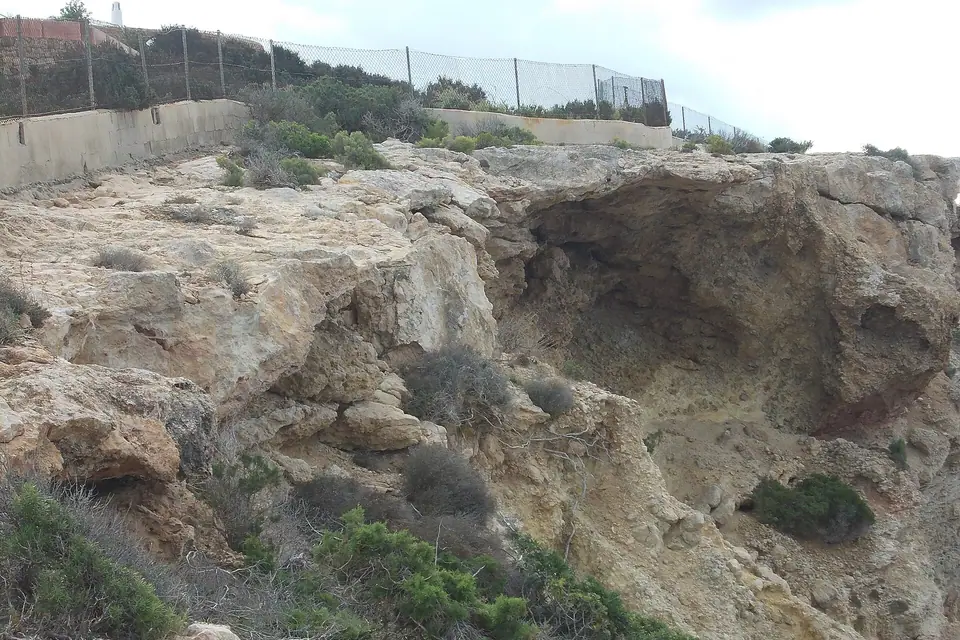
Ibiza has fine-sand coves, pebble coves, coves with fishermen's huts and coves with beach bars, and the best one depends on what you want: a quiet day with children, a good snorkelling spot or a sunset with a view. This guide brings together 14 coves and beaches in Ibiza and Formentera, grouped by area, with how to get there, what facilities they have and who they suit best.
We cross-checked several beach guides and the official pages of the Ses Salines Natural Park and the Formentera council; when one source says something another does not confirm, we say so. Facilities (beach bars, sunbeds, lifeguards) change every year, and car parks fill up early in summer, so arrive early.
Car, bus or boat: how to reach the coves
Many west coast coves have limited parking and narrow access roads, so a boat is a comfortable alternative: it takes you to several coves in one trip and spares you the search for a space. According to our listings, group catamarans leave Sant Antoni harbour for the coves of Cala Bassa and Cala Conta, there is a six-hour cruise around the bay's beaches (in a daytime slot, 11:00 to 17:00, or in the afternoon) and a 5 to 6.5 hour glass-bottom boat trip that reaches Cala Salada.
The operator's website for those Sant Antoni boats lists 39 euros for adults and 20 for children; other listings with a swim, snorkelling and paddle boarding start from 20 to 25 euros according to CheckYeti (a resale price that can vary). If you prefer to go on your own to a hard-to-reach cove, wear suitable footwear: several accesses are by stairs or stony paths.
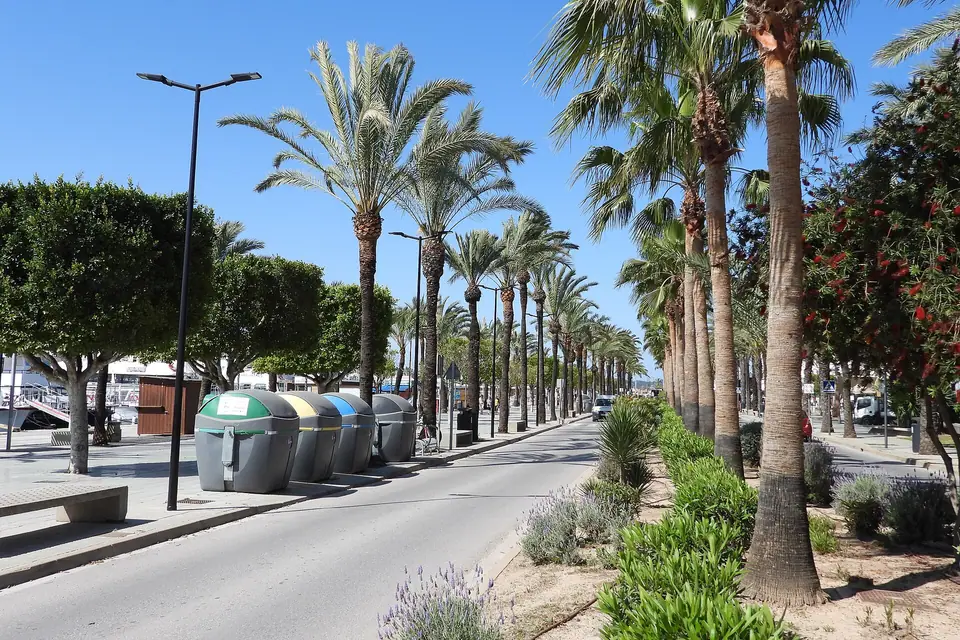
Catamaran beach hopping with snorkelling, paddle boarding and lunch (6 hours)
Six hours by catamaran from Sant Antoni along the west-coast coves, with snorkelling, paddle boarding and lunch on board.

Beach cruise around the bay of Sant Antoni (6 hours)
Six-hour outing around the coves of Sant Antoni bay, either by day or leaving mid-afternoon to return at dusk.
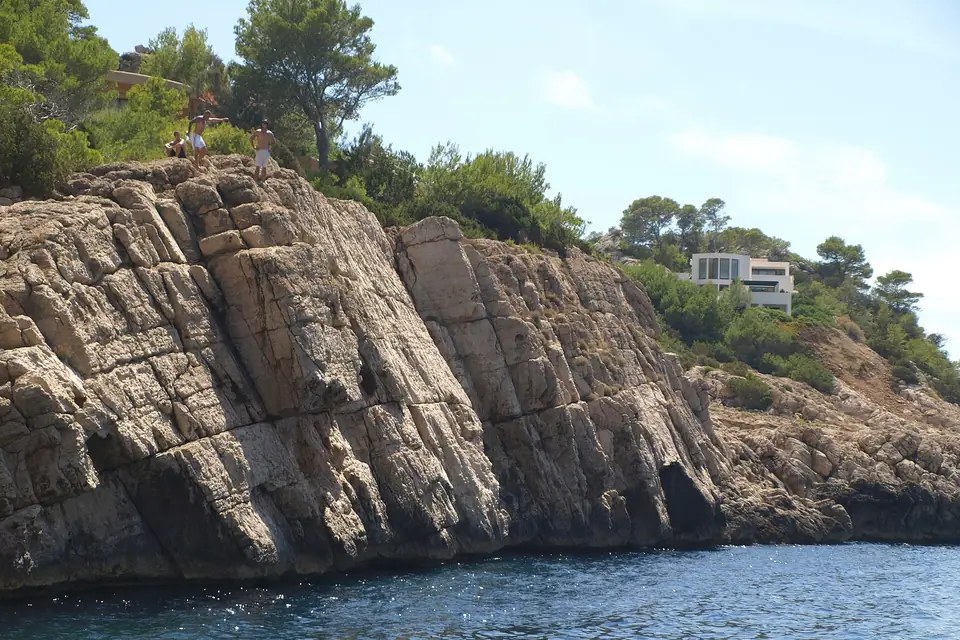
Cap Blanc and Cala Salada by glass-bottom boat (day trip)
A day boat trip from Sant Antoni combining the Cap Blanc aquarium with beach time at Cala Salada and a mid-afternoon return.
West coast (Sant Josep): Cala d'Hort, Cala Comte, Cala Bassa, Cala Vadella and Cala Molí
Cala d'Hort mixes sand and pebbles, has fishermen's boathouses and a direct view of Es Vedrà; it is better for looking and eating than for lying down all day, with seafood restaurants on the shore where it is wise to book for sunset. The car park fills early, and in summer you can combine bus L8 to Sant Josep with the L42B to the cove. Cala Comte, with very clear shallow water, has a large car park but also requires an early arrival in high season; according to one guide, line L4 runs from Sant Antoni. It is one of the classic places to watch the sunset among the islets. Cala Bassa, Cala Comte's neighbour, has pool-like water among juniper trees, with a beach club and water sports, and can also be reached by boat from Sant Antoni.
Cala Vadella is a wide bay of soft sand and calm water about 15 minutes by car from Sant Josep; it has plenty of parking, restaurants by the beach, a jellyfish net in high season according to one guide, and suits families, snorkellers and paddle boarders. Cala Molí is a quieter pebble cove, classified as a natural beach, with a rocky seabed that one guide recommends for snorkelling. From Cala Codolar (Cala Tarida area) a guided kayak tour leaves for the sea caves of Codolar and Cala Conta, of about 2.5 hours, with departures at 10:30 and 15:30 from April to October; and from Cala d'Hort a sunset kayak heads towards Atlantis.

Es Vedrà by catamaran with a swim stop (morning)
Four hours along the west coast to circle Es Vedrà and Es Vedranell, with a swim stop in a cove and finger food on board.
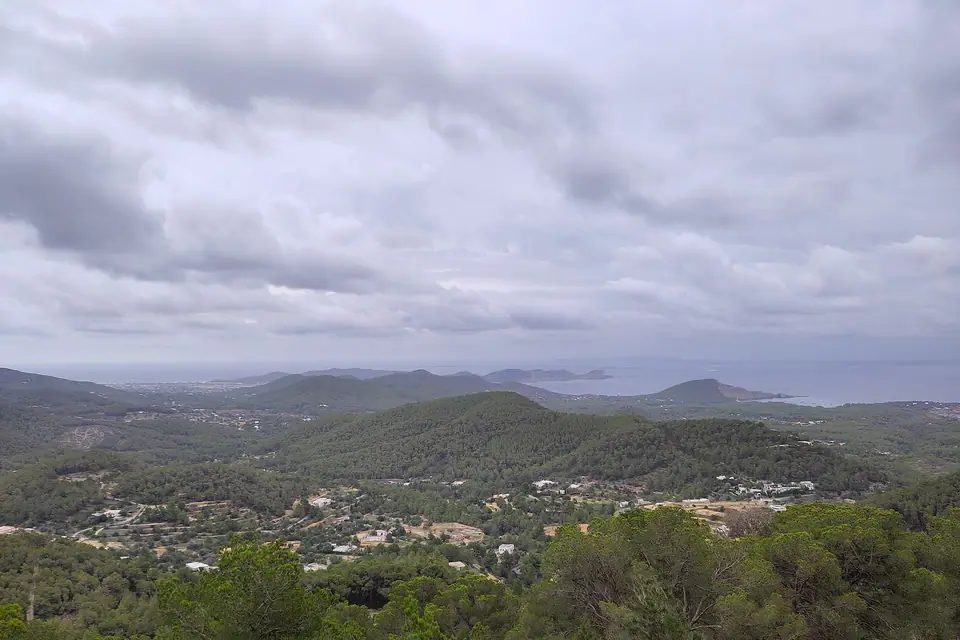
Kayaking to the sea caves of Cala Codolar with snorkelling
Two and a half hours by kayak from Cala Codolar to visit two sea caves, with snorkel stops and a beach break at Cala Conta.
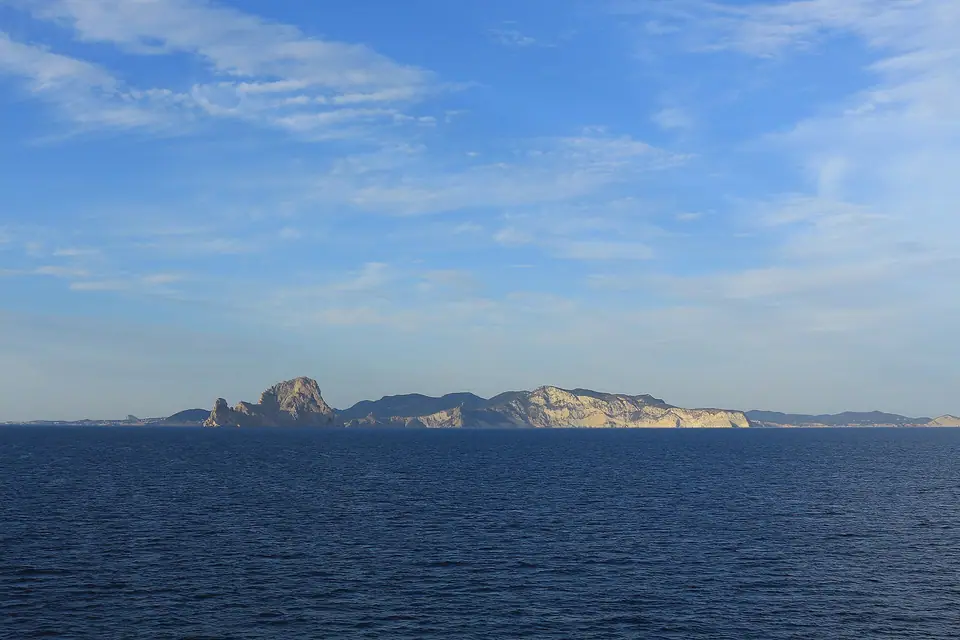
Sunset kayaking from Cala d'Hort to Atlantis with views of Es Vedrà
A sunset kayak route from Cala d'Hort to Atlantis, with swimming, snorkelling and views of Es Vedrà.
Sant Antoni area: Cala Salada and Cala Gració
Cala Salada is a deep cove with emerald water and fishermen's huts. Next to it is Cala Saladeta, a mix of sand and rock reached by steep stairs, where water shoes are useful; according to one guide, the car park by the beach fills quickly and opens at 10:00. It is a good place for photos and sunsets, not for crowds. To arrive without a car, you have the boats: the 5 to 6.5 hour glass-bottom trip that stops at Cala Salada and a 7-hour catamaran with snorkelling leaving Sant Antoni (from 20 euros according to CheckYeti).
Cala Gració is about 2 kilometres, a 15-minute walk from central Sant Antoni, and is a sheltered bay of fine sand, calm shallow water and pines; according to a beach guide it has a lifeguard, sunbeds, parasols and a beach bar, and you reach it on foot, by bus from May to October or by boat from the harbour. It is a very good option for families with small children. A little further along a coastal path is Cala Gracioneta, about 30 metres long, with pines and a seaside restaurant.
Catamaran to Cala Salada with snorkelling (7 hours)
Seven hours by catamaran from Sant Antoni to Cala Salada, with snorkelling and swim time in one of the west's best-known coves.
North and east: Benirràs, Cala Xarraca and Cala Llonga
Benirràs sits in a pine valley about 10 minutes by car from Sant Miquel; it is a sand-and-pebble beach with calm water, sunbeds, a few restaurants and a reputation for the drumming sessions at sunset, especially on Sundays. One guide mentions a hippie market in high season; the car park is small and fills early. It is among the best beaches in the north for sunset and also for snorkelling, according to several guides.
Cala Xarraca is a small bay of about 150 metres of sand and pebbles between pines and cliffs, about 5 minutes by car from Sant Joan or Portinatx; it has a beach bar, sunbed rental and little parking. One guide rates it excellent for snorkelling, with cuttlefish and octopus, and there are natural mud baths nearby. Our listings include a north-west walking route of about 5 km and 3 hours with caves and pools (Xarraca Adventure, from 15 euros per its website) and, in Portinatx, a sunset kayak of about 3 hours (from 45 euros) and an easy route through the coves (Crystal Coast, 5 km, 2 hours).
In the east, Cala Llonga is a wide bay of sand and calm shallow water among pine-covered hills. It is one of the best choices for families: according to a guide it has a playground, pedal boats and restaurants, and you reach it by road or by boat from Santa Eulària (about 30 minutes).
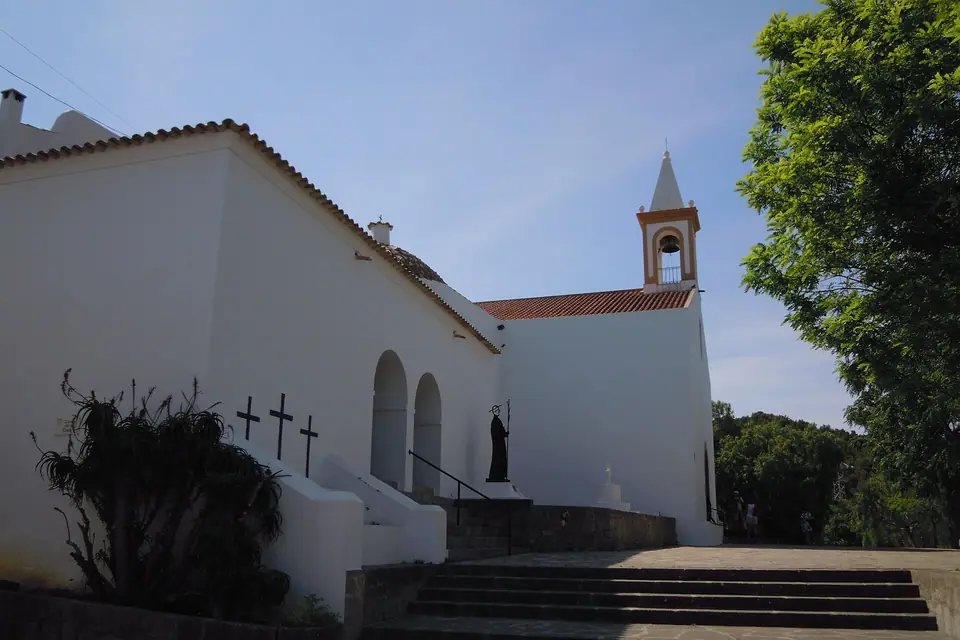
Ibiza Outdoors (Walking Ibiza)
Xarraca Adventure: caves and coves of the north-west
Guided 5 km route in the north-west with caves, natural pools and optional jumps into the sea.
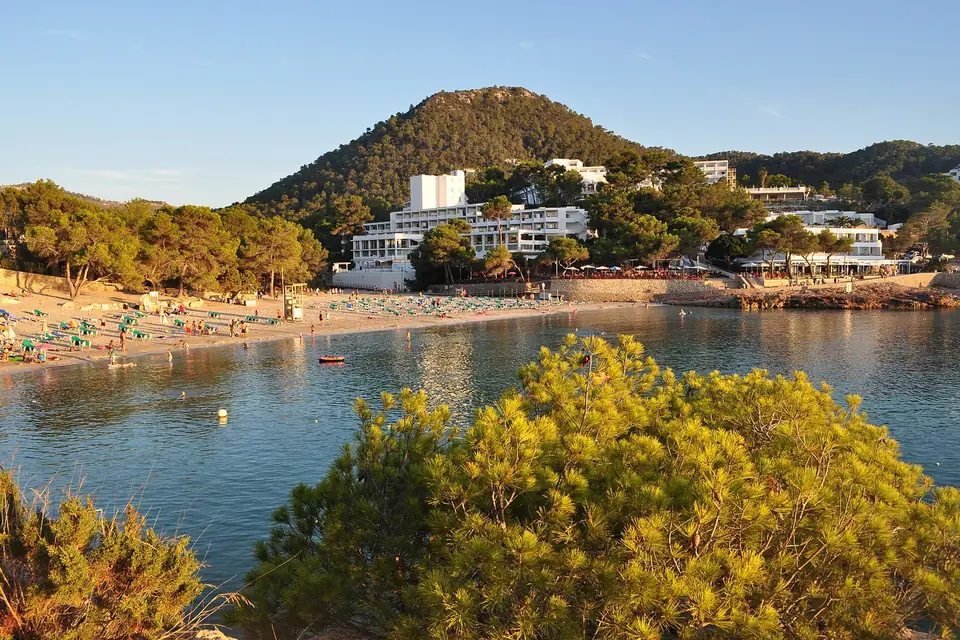
Sunset sea kayaking in Portinatx
Three hours paddling the north coast at sunset pace, with a guide, swim and snorkel stop, and a light picnic.
Ibiza Outdoors (Walking Ibiza)
Crystal Coast: Portinatx coves
Easy 5 km walk along northern coves with swimming stops.
South: Ses Salines and Es Cavallet
The Ses Salines beaches are inside the Ses Salines d'Eivissa i Formentera Natural Park, among dunes, pine forest and salt flats. It is a long beach of golden sand with beach bars and sunbeds, with paid parking and heavy traffic from about 14:00 according to one guide; the water is so salty that floating is easy. Inside the park there are restricted areas (dunes, salt flats, islets and anything off the authorised paths), so follow the marked tracks.
Es Cavallet, beside Platja d'en Bossa, is one of Ibiza's official naturist beaches, with a view of Dalt Vila and Formentera, clear water and a rocky seabed. The dunes are protected and must not be walked on; the quieter southern end is about a 20-minute walk from the paid car park at Las Salinas. It has sunbeds, restaurants and showers (which are sometimes switched off), and one guide recommends it for snorkelling.
Formentera: Ses Illetes and Caló des Mort
Ses Illetes, on the es Trucadors peninsula, is Formentera's best-known beach, with sand and clear water inside the natural park. You reach it by bus or road from La Savina or Es Pujols, or by boat from Ibiza; the park rules (anchoring only on sand, no camping, no jet skis) and the vehicle limit from 1 June to 30 September mean you need to plan. In our Formentera guide you will find ferries and excursions; if you prefer a group boat with snorkelling and paddle boarding, there is a 4-hour one from Eivissa harbour to Ses Illetes and s'Espalmador.
Caló des Mort is a rocky cove highly rated for snorkelling according to one guide. In 2026 the Consell restricted vehicle access and parking on the roads to Caló des Mort and es Ram between 15 May and 15 October: you can only stop briefly to drop off or pick up passengers, and the alternative parking is at es Copinar. Check whether it is repeated on your dates. Another plan in our listings: a 7.5-hour catamaran going to Cala Saona or the Llevant area (depending on the day) with an aperitif and several swim stops, from 30 euros according to CheckYeti.
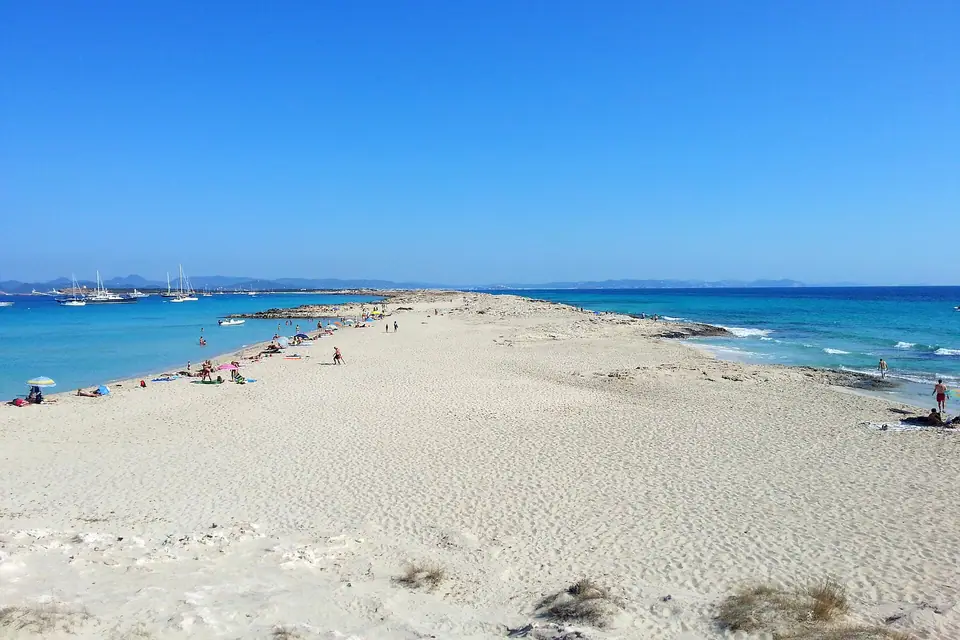
Group boat to s'Espalmador and Ses Illetes with snorkelling and paddle boards (4 hours)
Four hours on a shared boat (up to 60 passengers) from Ibiza Town harbour, with snorkelling, paddle boards, drinks and snacks.
Catamaran to Cala Saona or Llevant with aperitif and swim stops
A seven-and-a-half-hour catamaran day from Platja d'en Bossa or Figueretas towards Formentera, with an aperitif and swim stops.
What to bring and good practice
Bring water shoes for pebble and rocky coves, water and something to eat (small coves offer little), sun protection and a bag for your rubbish. At sea, never anchor on Posidonia: the meadows are part of the World Heritage Site and protect the beaches. One guide recommends checking medusasibiza.es before swimming in case of jellyfish.
If you want peace, go first thing or late, and try weekdays. The boat excursions in our listings run mainly from May to October; the kayaks from April or May to October. In rough seas departures are rescheduled.
Frequently asked questions
Which is the best cove in Ibiza for sunset?
The guides we checked highlight Cala Comte for the sun among the islets, Benirràs for its drumming sessions and Cala d'Hort for the view of Es Vedrà. You can also see it from the sea on sunset excursions.
Which coves are best for children?
According to the guides, Cala Gració (calm water, lifeguard and sunbeds), Cala Llonga (playground, pedal boats) and Cala Vadella (wide bay with lots of parking) are good options. Check services and lifeguard cover on the date of your visit.
Where is the best snorkelling?
The guides recommend Cala Xarraca (cuttlefish and octopus), Cala Molí, Benirràs, Es Cavallet and, in Formentera, Caló des Mort. If you prefer to go with a guide, there are snorkelling and kayak listings with swim and snorkel stops.
Can you reach the coves by bus?
To some, yes: according to guides, Cala Comte with the L4 from Sant Antoni, Cala d'Hort combining the L8 and L42B in summer, Cala Gració by bus from May to October. Others need a car or a boat. Timetables change by season, so check beforehand.
Is there anything special to watch for at Es Cavallet or Ses Salines?
Yes. They lie inside the natural park: dunes and salt flats are restricted areas, you must follow the paths and camping is not allowed. Do not walk on the dunes at Es Cavallet.
More guides
- Ibiza sunsets: viewpoints, coves and experiences to watch the sun go down
- Wineries and wine of Ibiza and Formentera: visits with tastings, local wine and hierbas ibicencas
- Es Vedrà: viewpoints, boat trips and the rules for seeing it properly
- Formentera day trip from Ibiza: ferry, boat, Ses Illetes and how to get around the island
- Formentera by bike or e-bike: green routes, rental, guided tours and tips
- Ibiza in winter: what is open, what to do and what the weather is like from November to March
- Ibiza markets: Las Dalias, Punta Arabí, Sant Joan and the Sant Jordi flea market
- What to see in Ibiza: 15 must-sees, from Dalt Vila to Formentera
- Things to do in Ibiza when it rains
- Things to do in Ibiza with kids
- Free and cheap things to do in Ibiza
- Easy, low-effort things to do in Ibiza