Guide
What to see in Ibiza: 15 must-sees, from Dalt Vila to Formentera
What to see in Ibiza: Dalt Vila and UNESCO heritage, Ses Salines, Es Vedrà, fortified churches, markets, caves and Formentera. 15 ideas with listings.
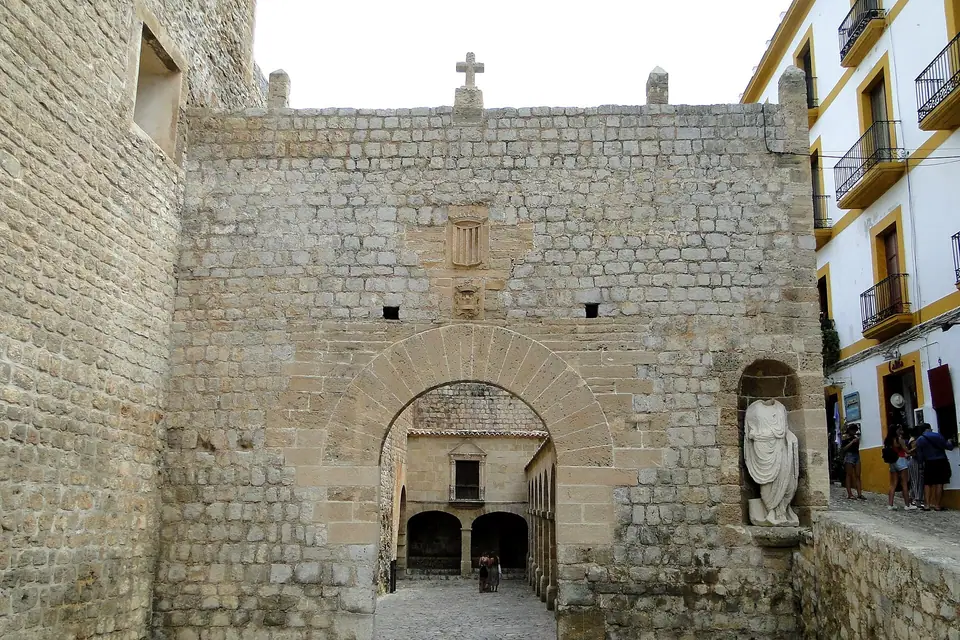
Ibiza is more than beaches: it has a walled city declared a World Heritage Site, salt flats with flamingos, white churches built as fortresses, caves, markets and a neighbour, Formentera, half an hour away by ferry. This guide brings together 15 places worth putting on your list, grouped by area so you can combine them in a single day.
Each stop has a paragraph on what we could verify and, where one exists, the related listing in our directory. Opening hours and prices change every season and several places have no reliable 2026 information: we say so when that is the case, and it is always wise to confirm before you go.
Eivissa and UNESCO heritage: Dalt Vila, Puig des Molins and Sa Caleta
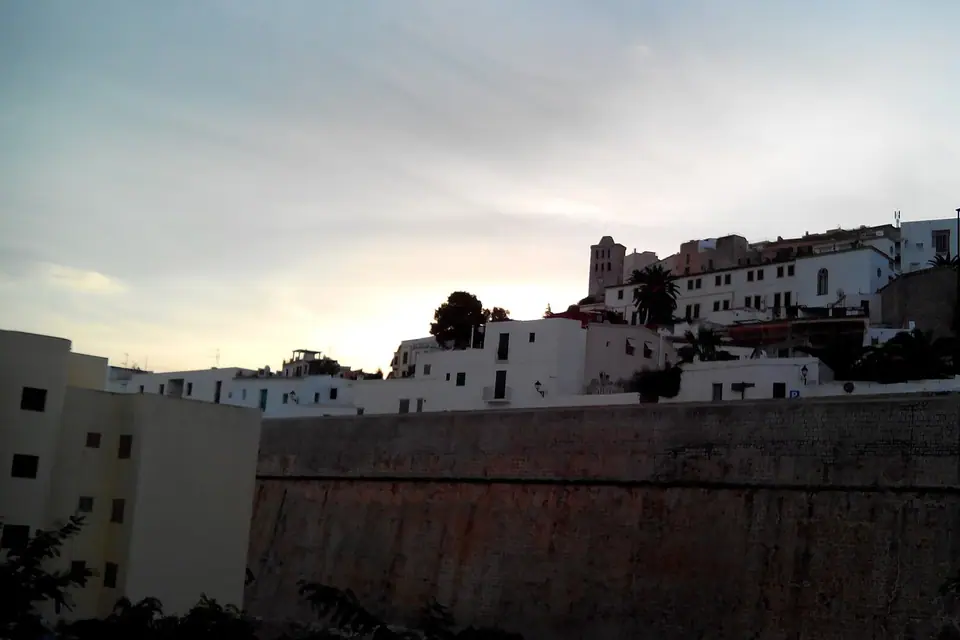
1. Dalt Vila. Eivissa's old town is ringed by 16th-century Renaissance walls, counted among the best preserved in the Mediterranean, and holds the cathedral of Santa María. It forms part of the 'Ibiza, Biodiversity and Culture' site inscribed by UNESCO on 4 December 1999. To understand it, there is a private cultural walk of about 3 km and 2 hours with 80 metres of climbing (from 320 euros per group according to Ibiza Spotlight, with guides who can work in German) and the dramatised visits in the council's programme, which in the March 2026 edition left from Portal de ses Taules, free and with no sign-up; we have not seen an autumn calendar, so ask at the tourist office.
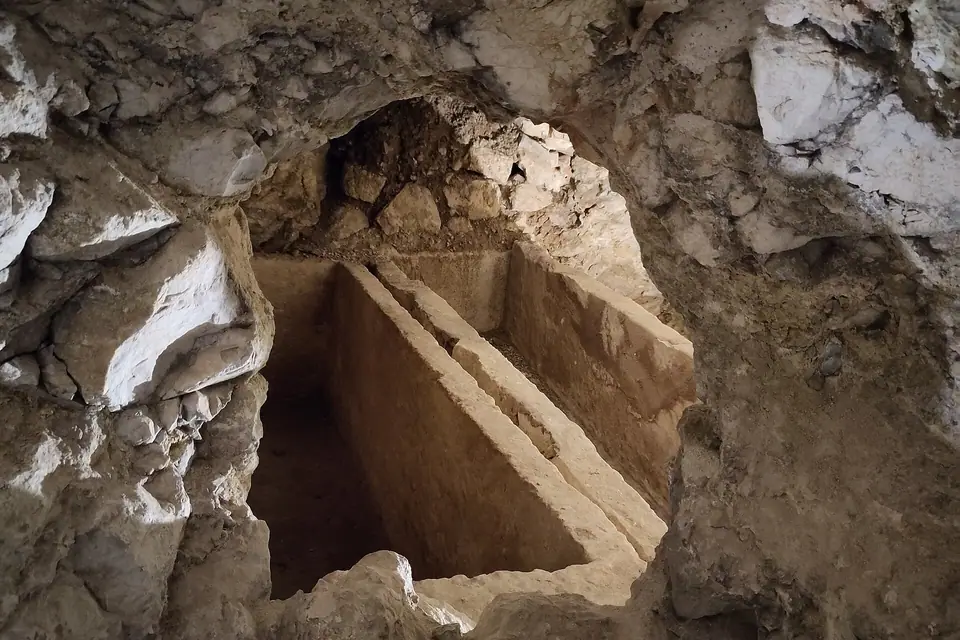
2. Puig des Molins. This was the city's cemetery from the Phoenician founding in the late 7th century BC, and is one of the best-preserved Punic necropolises known. Some of the rock-cut tombs (hypogea) can be visited with stairs and lighting, and the museum holds Phoenician and Punic pieces, including the figure of Tanit. Our listing advises going early or late and wearing closed shoes and carrying water; it opens Tuesday to Sunday.
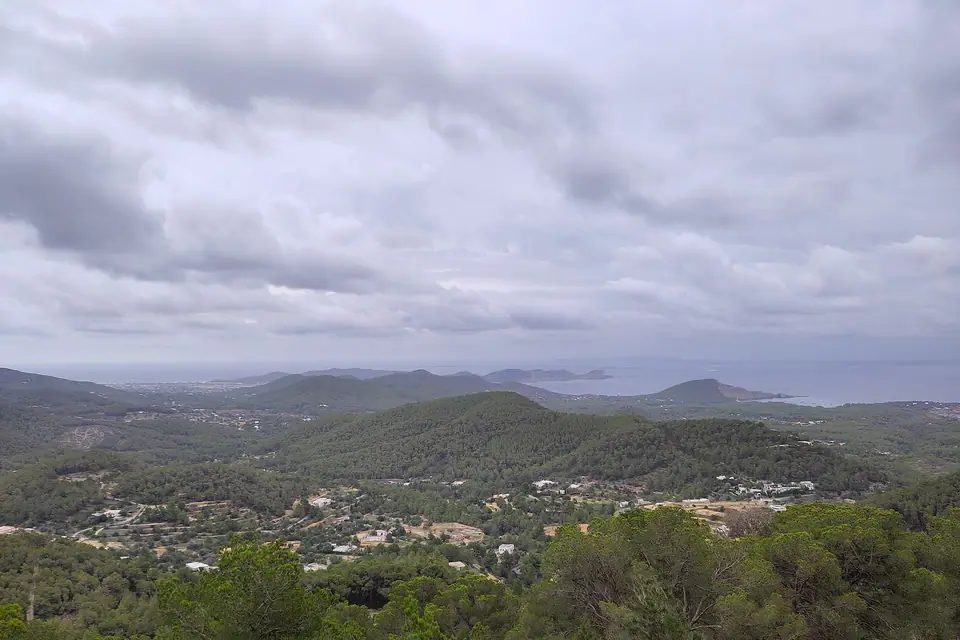
3. Sa Caleta. This is the Phoenician settlement on the south coast, dating from around the 7th century BC, origin of the later city and tied to maritime trade and salt. Its interpretation centre opened in April 2025, inside the Ses Salines Natural Park. We could not confirm current hours or price: check with the Consell or the town hall before going.
Ajuntament d'Eivissa (Turismo y Patrimonio)
Dramatised visits to Dalt Vila
A walk with actors through the World Heritage walled town, part of the council's 2026 heritage programme.
Ibiza Outdoors (Walking Ibiza)
Dalt Vila cultural walk (private)
Guided 3 km walk of about 2 hours through the World Heritage old town, rated easy.
Museo Arqueológico de Ibiza y Formentera (MAEF)
Puig des Molins Monographic Museum and Necropolis
Punic necropolis with over 3,000 chamber tombs, a World Heritage Site, and an adjoining museum on funerary life in ancient Ibiza.
Centro de Interpretación de Sa Caleta
Sa Caleta Interpretation Centre
Centre opened in 2025 beside the Phoenician village of Sa Caleta, with virtual routes and the story of the island's first stable settlement.
Closed on Mondays and Sundays according to Google
Nature in the south and west: Ses Salines, Es Vedrà, Sant Antoni and Cap Blanc
4. Ses Salines. The Ses Salines d'Eivissa i Formentera Natural Park covers southern Ibiza, northern Formentera and the channel between them, and around 210 bird species have been recorded. Flamingos can be seen almost all year, with the best times at the end of summer and in autumn. Salt extraction is still active. Inside the park, dunes, salt flats and anything off the paths are restricted areas, and the park is open 24 hours a day. Our listing for the interpretation centre notes that the opening information we saw is old: confirm that it is open.
5. Es Vedrà and Cala d'Hort. The islet is 382 metres high and is a nature reserve: you cannot land without authorisation. It can be seen from Cala d'Hort beach and from Torre des Savinar, a tower from 1763, a 10 to 15 minute walk from the dirt track (no railing at the edge). Nearby is Ses Païsses de Cala d'Hort, a Punic-Roman settlement; it opens Tuesday to Saturday in the warm months according to the listing. We have a full Es Vedrà guide with the viewpoints, boat trips and rules.
6. Sant Antoni at sunset. Sant Antoni bay faces west and is one of the classic places to end the day. Group catamarans leave the harbour for Es Vedrà and return at sunset (departure between 17:00 and 17:30, May to September) and, according to the listing, the route includes a swim and snacks on board. If you prefer to watch from land, one guide mentions Caló des Moro, a small cove in the middle of Sant Antoni, as a sunset spot.
7. Cap Blanc. Near Sant Antoni there is a former lobster cave and smugglers' hideout turned into a natural aquarium: a walkway over the water, natural tanks, a marine turtle recovery centre and a bar with a sea-view terrace. The visit takes 45 to 60 minutes; according to La Voz de Ibiza it costs 7 euros for adults and 5 for children aged 4 to 12 (to be verified), and it opens daily in summer; in winter, per Ibiza Spotlight, only on Saturdays.
Parque Natural de ses Salines (Govern balear)
Ses Salines Interpretation Centre
Small centre in Sant Francesc de s'Estany on the history of salt in Ibiza and the natural park setting.
Museu Etnogràfic d'Eivissa (Can Ros)
Ses Païsses de Cala d'Hort
Punic-Roman site with a necropolis and a farmhouse, an annex of the ethnographic museum, with views to Es Vedrà and Torre des Savinar.
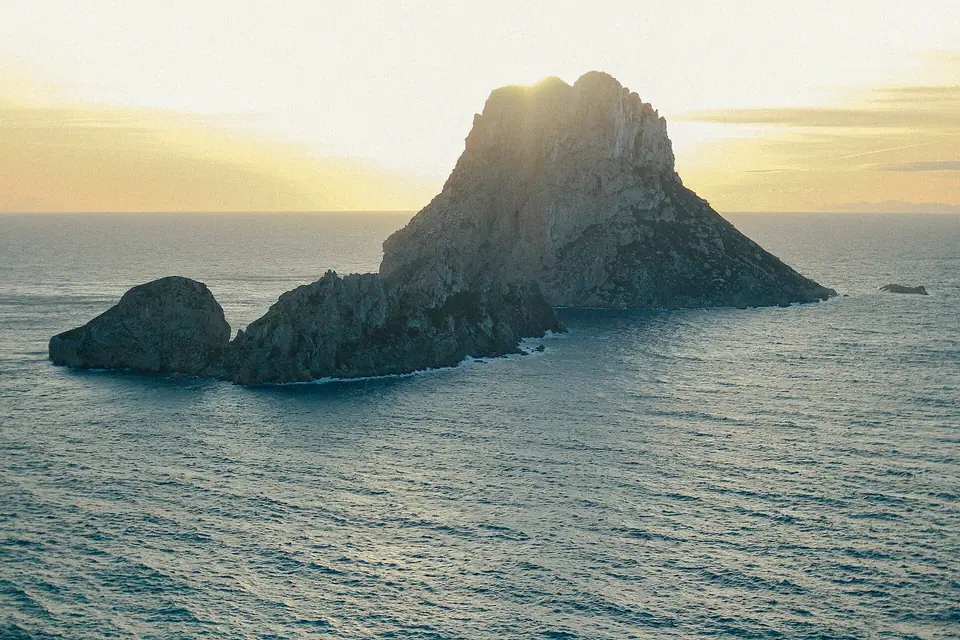
Es Vedrà at sunset by catamaran
Four-hour trip from Sant Antoni to see Es Vedrà in the late-afternoon light, with a swim stop and finger food on board.
Cap Blanc Aquarium (sea cave)
Aquarium inside a sea cave near Cala Gració, with about 50 local species and recovering turtles.
Fortified churches: Sant Miquel, Santa Eulària, Sant Carles and Sant Jordi
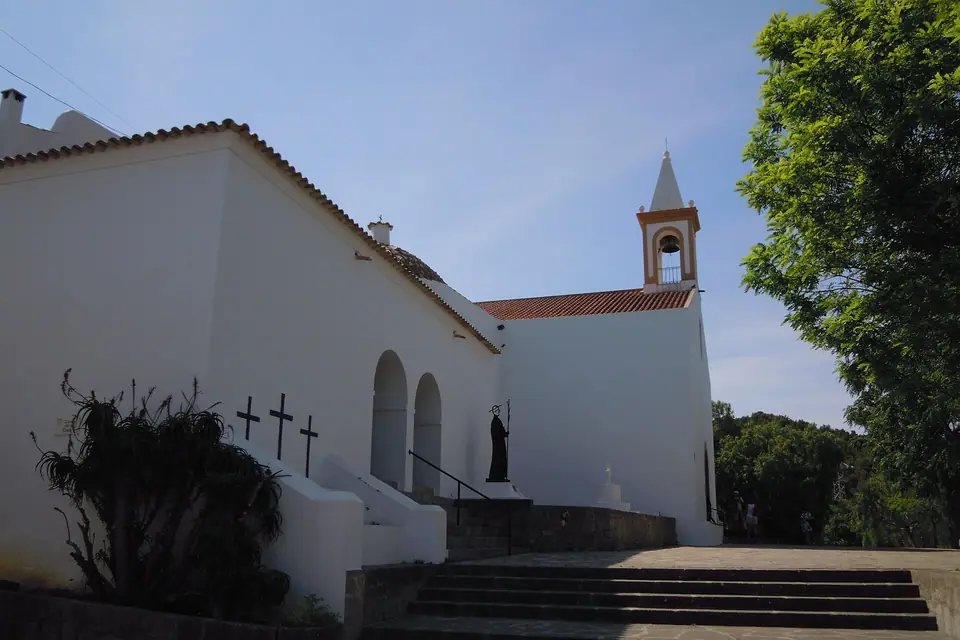
8. Sant Miquel de Balansat. According to the Illes Balears tourism portal, it is one of the first four fortress-churches on the island, along with Santa Eulària, Sant Antoni and Sant Jordi. It stands on a hill with whitewashed walls and a lookout with a statue of the poet Marià Villangómez. A 2025 news item announced Ibizan folklore at the church every Thursday; check whether it repeats this year.
9. Puig de Missa and Santa Eulària. The fortified church of Santa Eulària was rebuilt in the mid-16th century after pirate attacks, with a tower that served as a refuge and a 17th-century porch. On the same hill is Can Ros, home of the Museu Etnogràfic d'Eivissa (the Consell bought the building in 2021). According to the tourist office, from April to September it opens Tuesday to Saturday, mornings and afternoons, and Sundays 11:00 to 13:30; from October to March, Wednesday to Saturday mornings and the same Sunday hours. It is closed on Mondays and holidays.
10. Sant Carles de Peralta. It is not a medieval fortress: it dates from the last third of the 18th century, was badly damaged in the Civil War and was rebuilt. Its defensive look comes from the white walls and the long porch with three round arches. It stands in the centre of the village, in the municipality of Santa Eulària des Riu.
11. Sant Jordi de ses Salines. The first documentary record is from 1469, and it is the best preserved of the first four fortress-churches on the island. It has sloping walls and battlements, a single nave with two transverse arches and a baptismal font from 1732 carved from a single stone by the Ibizan sculptor Joan Coll.
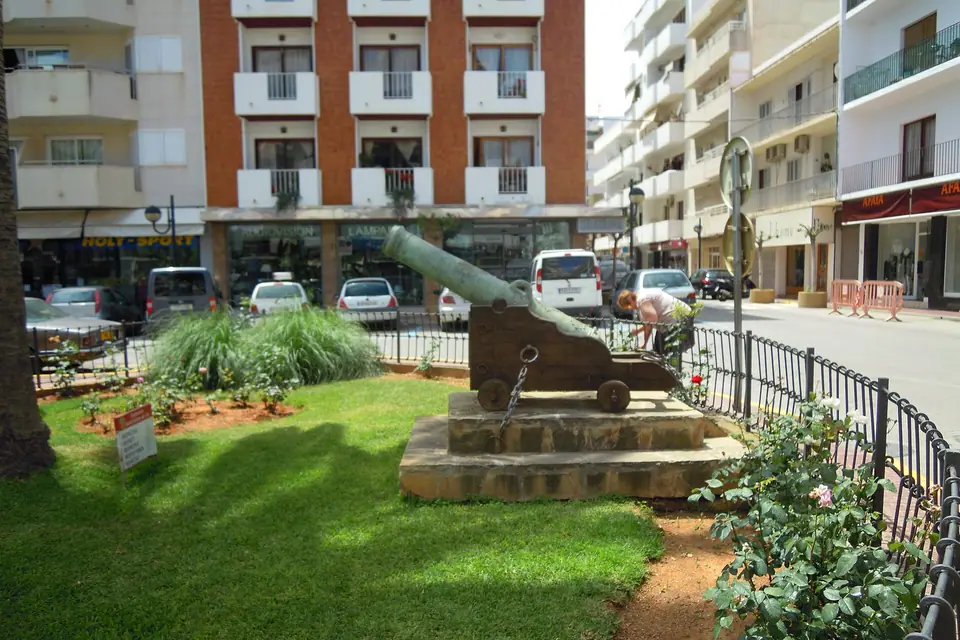
Museu Etnogràfic d'Eivissa (Can Ros)
Ethnographic Museum of Ibiza (Can Ros)
Museum of traditional Pitiusan life at Puig de Missa, next to the fortified church of Santa Eulària.
Markets and caves: Las Dalias and Can Marçà
12. Las Dalias market. It began on 14 February 1985. According to La Voz de Ibiza listings in May 2026, it opened Saturdays from 10:00 to 20:00 and Sundays from 11:00 to 20:00; in June it added Sundays, Mondays and Tuesdays from 19:00 to 23:30, and in summer it adds night markets and music. We have not seen the winter hours or the entry price. Another well-known market is Punta Arabí, in Es Canar; the island coach tour that an operator offers on Wednesdays from April to October ends there.
13. Can Marçà Cave. It is a multi-level cave with walkways and an illuminated waterfall, in the north. According to a local guide, it opens all year (10:30 to 19:30 from May to October and 10:30 to 17:30 from November to April), with entries every 30 or 45 minutes and no need to book. The visit takes about 40 minutes, costs 15 euros for adults and 9 for children according to that source (undated), is not adapted for reduced mobility and closes on 25 December and 1 January.
Las Dalias market
Hippy-crafts market in Sant Carles with over 200 stalls of crafts, fashion, decor, music and food, running since 1985.
Can Marçà Cave
Cave in the cliff at Port de Sant Miquel with a guided visit of about 40 minutes and a light-and-water show.
North and Formentera: Portinatx, Benirràs and the neighbouring island
14. Portinatx and the northern coves. The north coast is made up of small coves with pines. At Portinatx there are two beaches, one of them large with natural shade and shallow, clear water, reached by line L20 from Ibiza or by car to the end of the road. Our listings include a sunset kayak of about 3 hours from 45 euros and an easy 5 km route through the coves (Crystal Coast). A short distance away, Benirràs is known for the sunset drumming, especially on Sundays. For more coves, see our guide to the coves of Ibiza and Formentera.
15. Formentera. The neighbouring island is about 30 minutes away on the fast ferries from Eivissa port to La Savina, according to the aggregators we checked, and most people do it in a day. One of our listings is a catamaran that leaves Figueretas at 9:15, stops at s'Espalmador, leaves time at Ses Illetes and arrives at La Savina (70 euros adults and 35 for children aged 3 to 12 according to its website, lunch and drinks included, roughly May to October). Before going, read the natural park rules and how to get around in our Formentera day trip guide.
Catamaran to Formentera from Figueretas with lunch and paddle boards
Daily 9:15 departure from Figueretas from 30 May to 4 October: a stop at s'Espalmador, time at Ses Illetes and arrival in La Savina, with lunch and drinks included.
According to Google, open only on Tuesdays and Saturdays
How to combine them in a few days
Geographically, four blocks work well: a day in Eivissa (Dalt Vila, Puig des Molins and, if you like, Sa Caleta and Ses Salines in the afternoon, since they lie in the south); a day in the west (Cala d'Hort, Es Vedrà, Sant Antoni and Cap Blanc); a day in the north-east for the churches of Sant Miquel, Santa Eulària and Sant Carles, Las Dalias or Can Marçà and the northern coves; and a whole day for Formentera. Sant Jordi is close to Ses Salines.
Outside summer some places cut their hours or close. Check opening days for museums, interpretation centres and caves before going. Many museums in Dalt Vila (MACE, Museu Puget) are free according to the listings we consulted, although the hours differ between sources.
Frequently asked questions
What is the single most essential thing to see in Ibiza?
Dalt Vila, Eivissa's walled old town, inscribed by UNESCO in 1999 together with Puig des Molins, Sa Caleta and the Posidonia meadows. After that, Es Vedrà, Ses Salines and the fortified churches come next on the list.
How many days do you need to see Ibiza?
With four days you can cover the blocks in this guide: Eivissa and the south, the west, the north-east and a day for Formentera. If you have less, choose Dalt Vila, a sunset in Sant Antoni or Cala d'Hort and one fortified church.
Is there anything to see in bad weather?
Yes: the museums of Dalt Vila (MACE, Museu Puget), the Puig des Molins museum, Can Ros and Can Marçà cave, which opens all year. Check the hours, which change between summer and winter.
Can you visit Ibiza without a car?
Partly. There are buses to Portinatx (L20), Cala Comte (L4 from Sant Antoni) and Cala d'Hort in summer (L8 and L42B), according to beach guides, but some places are better done by car or on organised trips, such as the island coach tour in our listings.
When is the best time to visit Ibiza for these places?
To combine beach, boat and sightseeing, May to October; flamingos are best seen at the end of summer and in autumn. Out of season museums and churches remain open, but some excursions and markets cut back or close.
More guides
- Ibiza sunsets: viewpoints, coves and experiences to watch the sun go down
- Wineries and wine of Ibiza and Formentera: visits with tastings, local wine and hierbas ibicencas
- The best coves of Ibiza and Formentera: 14 to choose from depending on your plan
- Es Vedrà: viewpoints, boat trips and the rules for seeing it properly
- Formentera day trip from Ibiza: ferry, boat, Ses Illetes and how to get around the island
- Formentera by bike or e-bike: green routes, rental, guided tours and tips
- Ibiza in winter: what is open, what to do and what the weather is like from November to March
- Ibiza markets: Las Dalias, Punta Arabí, Sant Joan and the Sant Jordi flea market
- Things to do in Ibiza when it rains
- Things to do in Ibiza with kids
- Free and cheap things to do in Ibiza
- Easy, low-effort things to do in Ibiza